
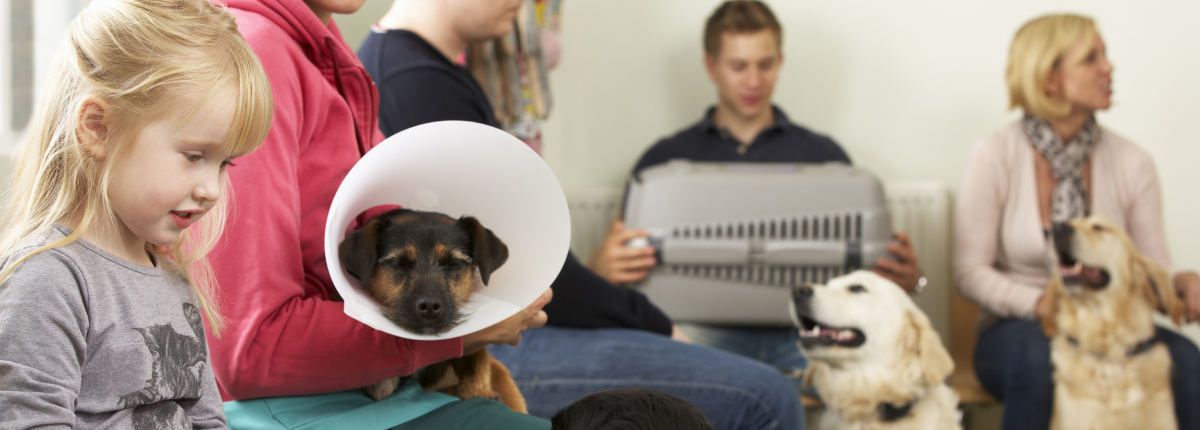
Why Your Dog’s Arthritis Needs More Than a 15-Minute Vet Consult
Your dog has arthritis. Or hip dysplasia. Or cruciate disease. Or a sore back.
You’ve been to the vet. Probably multiple times.
Here’s how it usually goes:
Quick exam. Maybe 10 minutes.
A script for pain relief.
“Come back if it gets worse.”
You walk out thinking… “Is that it? For the rest of their life?”
Here’s what we see all the time at The Dog Mobility Clinic:
Dogs who are deeply loved. Regularly taken to the vet. Medically “looked after.”
But still struggling.
And it’s not because your vet doesn’t care. They absolutely do.
We know this firsthand. We used to run a large multi-disciplinary veterinary practice ourselves.
The problem is that chronic joint disease doesn’t fit into the way most vet clinics are set up.
Let’s talk about why – and what you can do about it.
Arthritis is everywhere – and often completely missed
Here’s what the research shows:
**Osteoarthritis (OA) is the most commonly diagnosed joint disease in dogs.**¹ At the same time, it’s described as “one of the most underdiagnosed diseases” in dogs and cats.²
One study found that a large proportion of dogs had previously undiagnosed OA – showing it’s far more common than earlier estimates suggested.³ Another 2024 study found that radiographic OA is common even in young dogs, yet OA pain appears underdiagnosed and undertreated in that group.⁴
Translation: Millions of dogs are in chronic pain. Many aren’t being recognised. Fewer are being properly managed.
We saw this happen constantly in our own practice – even with experienced vets who genuinely cared. It wasn’t about skill or compassion. It was about the limitations of the system itself.
Why your regular vet struggles with chronic conditions
This isn’t about blaming vets. We’ve been on that side of the consulting table.
We know what it’s like to run a busy general practice. The pressures. The competing demands. The impossible time constraints.
Most small animal clinics are built around:
- 15–20 minute appointments
- High caseload
- Surgery blocks
- Emergencies and urgent cases
A study found that even routine consultations are described as “rushed,” with vets feeling they “always have to rush” and don’t have time to cover everything.⁵
We lived this reality.
Proper arthritis care in 15 minutes needs:
- Detailed history (mobility, stairs, flooring, car access)
- Assess gait, posture, muscle condition, pain
- Explain the diagnosis and long-term nature
- Discuss weight, diet, exercise, environment, rehab, medication
- Answer questions and set expectations
It’s not possible in a quick consult wedged between a vomiting puppy and an emergency.
Research shows owners of dogs with chronic pain feel uncertain, worried, and sometimes unsupported – struggling to know if pain is really being managed well.⁶
No wonder many owners walk away with:
- A painkiller
- Little guidance on exercise or home changes
- A sense of “we’ll just keep adding meds”
That’s not your vet failing you. It’s a sign that chronic diseases need a different model of care.
That’s exactly why we created a separate rehabilitation department within our practice back then – specifically designed to serve chronic musculoskeletal patients who weren’t being served well in the general practice model.
What arthritis care should actually look like
Modern osteoarthritis guidelines paint a very different picture.
The COAST International Guidelines (2023) say canine OA should be managed with:⁷
Stage-based plans (early, moderate, advanced) – not one-size-fits-all
Multimodal treatment combining:
- Pain relief
- Weight management
- Exercise modification
- Rehabilitation / physiotherapy
- Nutraceuticals / joint therapies
- Environmental changes
- Regular reassessment over the dog’s lifetime
The Canadian OA Guidelines echo this, stating that OA treatment is typically **”multimodal and commonly a multidisciplinary as well as individualized approach.”**⁸
In other words: The science says arthritis care should look like a structured, long-term program. Not a quick script and “see you when it’s worse.”
This is what we built our rehabilitation department around – giving chronic musculoskeletal patients the time, space, and customised care they couldn’t get in standard 15-minute GP consults.
Where rehab vets and physios come in
Physiotherapy and rehabilitation are no longer “alternative extras.” They’re recognised as core components of good OA care.
A 2022 review in Veterinary Sciences stated: “OA is a chronic, progressive disease requiring lifelong management. In addition to medication, exercise modification and physical therapy are important measures to reduce pain and improve mobility.”⁹
Main goals: Pain reduction, improved muscle strength, preservation of joint function.
We know this because we tried. We tried to do comprehensive arthritis care within general practice. It didn’t work. The chronic, complex cases kept getting squeezed out by urgent demands.
So we created something different.
The Dog Mobility Clinic is designed around:
✓ Longer, detailed assessments — time to watch your dog move
✓ Individualised exercise programs for home
✓ Integrative therapies (laser, PRP, stem cells where appropriate)
✓ Home environment assessment
✓ Regular follow-up to progress the plan
We’re not replacing your regular vet. We’re finishing the job that the current system doesn’t have capacity to do.
We’ve seen both sides – as general practice vets and rehabilitation experts. We understand GP constraints because we lived them. And we know what chronic patients need because we built a model specifically for them.
Are these dogs really slipping through the cracks?
Let’s put it together:
✓ OA is common and underdiagnosed/undertreated in general practice⁴
✓ Owners report feeling rushed and under-supported⁵,⁶
✓ Guidelines call for multidisciplinary, lifelong management⁷,⁸ – something busy GP clinics aren’t designed to deliver alone
We saw it happen in our own practice every day – even with caring, skilled vets doing their best within system constraints.
It’s not because vets don’t care. It’s because they’re trying to do chronic medicine in a structure built for “fix the urgent thing and move on.”
That’s why we set up The Dog Mobility Clinic as a dedicated rehabilitation-focused practice – so these patients could get the care model they actually need.
When should you look beyond your regular vet?
Add a rehab vet or physio to your dog’s team if:
🔹 On pain meds but still struggling with stairs, walks, or getting up
🔹 Told “it’s just old age” but your gut says there’s more
🔹 Had cruciate surgery and still weak or lame months later
🔹 Has a spinal or neurological problem
🔹 Want a plan – not just refills
From our experience running both models, these patients benefit most from having a dedicated rehabilitation team alongside their regular vet.
How we work alongside your vet
Having run a multi-disciplinary practice ourselves, we deeply value collaboration.
Your primary vet handles: Diagnosis, imaging, surgery, general medicine, prescriptions
We focus on: Rehabilitation, integrative therapies, environment modifications, exercise programs, long-term pain and mobility management
We keep everyone in the loop – collaborating on the best plan for your dog.
Think of it like seeing a physio for your chronic back problem – it’s in addition to your GP, not instead of them.
This is exactly how we structured our own practice – the rehab department worked alongside general practice, each doing what they were designed to do best.
Your next step
If you’re thinking, “This sounds like my dog” – you’re not failing them.
You’re just in a system that wasn’t built with chronic musculoskeletal disease in mind.
We know this because we ran that system. We saw its limitations firsthand. That’s why we created an alternative.
Ask your vet for a referral, or contact The Dog Mobility Clinic directly for a Pain & Mobility Assessment. We’ll communicate with your regular vet to keep everyone on the same page.
Because dogs with arthritis, cruciate disease, and spinal issues deserve more than 15 rushed minutes and a script.
They deserve a team, a plan, and the time to do it properly.
We built The Dog Mobility Clinic specifically to give them exactly that.
📅 Book a Pain & Mobility Assessment
📧 Email: admin@innovete.com.au
📍 Seymour, Victoria (in-person & virtual consultations)
REFERENCES
- Belshaw Z, Dean R, Asher L. Could it be osteoarthritis? How dog owners and veterinary surgeons describe identifying canine osteoarthritis in a general practice setting. Prev Vet Med. 2020;185:105198.
- Lascelles BDX, Brown DC, Conzemius MG, et al. Measurement of chronic pain in companion animals: Discussions from the Pain in Animals Workshop (PAW) 2017. Vet J. 2019;250:71-78.
- Anderson KL, O’Neill DG, Brodbelt DC, et al. Prevalence, duration and risk factors for appendicular osteoarthritis in a UK dog population under primary veterinary care. Sci Rep. 2018;8(1):5641.
- Runge JJ, Kelly SP, Gregor TP, et al. Distraction index as a risk factor for osteoarthritis associated with hip dysplasia in four large dog breeds. J Small Anim Pract. 2010;51(5):264-269.
- Robinson NJ, Dean RS, Cobb M, Brennan ML. Consultation length in first opinion small animal practice. Vet Rec. 2015;177(18):460.
- Belshaw Z, Asher L, Dean RS. Systematic review of outcome measures reported in clinical canine osteoarthritis research. Vet Surg. 2020;49(4):765-777.
- Pettitt RA, German AJ. Investigation and management of canine osteoarthritis. In Practice. 2015;37(Suppl 1):1-8.
- Cachon T, Frykman O, Innes JF, et al. Face validity of a proposed tool for staging canine osteoarthritis: Canine OsteoArthritis Staging Tool (COAST). Vet J. 2018;235:1-8.
- Kirkby Shaw K, Rausch-Derra LC, Rhodes L. Grapiprant: an EP4 prostaglandin receptor antagonist and novel therapy for pain and inflammation. Vet Med Sci. 2016;2(1):3-9.
You may also be interested in ….
 https://www.drmalcolmware.com.au/wp-content/uploads/2024/03/Canine-Hydrotherapy-2.jpg
401
602
Ivana Katz
https://drmalcolmware.com.au/wp-content/uploads/2024/03/Dr-Malcolm-Ware-Logo.png
Ivana Katz2024-03-27 01:36:582024-03-28 01:25:15Canine Rehabilitation. Not just Hydrotherapy
https://www.drmalcolmware.com.au/wp-content/uploads/2024/03/Canine-Hydrotherapy-2.jpg
401
602
Ivana Katz
https://drmalcolmware.com.au/wp-content/uploads/2024/03/Dr-Malcolm-Ware-Logo.png
Ivana Katz2024-03-27 01:36:582024-03-28 01:25:15Canine Rehabilitation. Not just Hydrotherapy

