
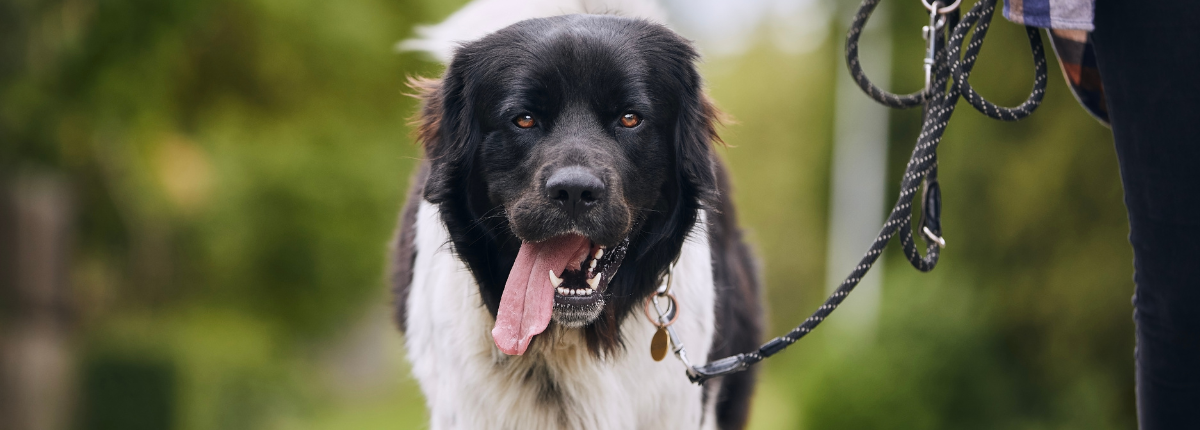
Dog Arthritis: It’s More Common (and Develops Earlier) Than You Think
Most people picture arthritis as an “old dog” limp. The reality is far bigger – and much earlier.
- 50% of dogs aged 8–13 have osteoarthritis (OA).
- Around 40% of dogs under 4 already have OA changes – often not painful yet, which is why it’s missed.
That’s a wake-up call. OA isn’t just a senior problem; it often begins quietly in young dogs. The good news? Early detection gives us the best chance to slow it down and keep your dog comfortable, confident, and active for longer.
Disease phase vs. Illness (pain) phase – what’s the difference?
Think of OA in two stages:
- Disease phase: Changes are happening inside the joint (cartilage wear, joint lining irritation), but your dog may not look sore yet. This is the best time to act – before pain takes hold.
- Illness (pain) phase: Those changes now feel like pain. You start seeing shorter walks, hesitation on stairs, stiffness after rest, and mood or sleep changes.
Our job is to find OA in the disease phase whenever we can, and if a dog is already in the pain phase, to calm pain and rebuild strength so life feels easy again.
Why OA gets picked up late
- We wait for a big limp. Early signs look like “just getting older.”
- Clinic nerves hide pain. New smells and slippery floors can mask or exaggerate discomfort.
- Pictures don’t equal pain. X-rays show structure, not how much it hurts. Some dogs are very sore with mild X-ray changes, and others cope well despite bigger changes.
This is why we put so much value on owner observations, a hands-on movement exam, and – when it helps – a short home pain trial to see real-life changes in stairs, sleep, and walks.
Early signs you can spot at home
You don’t need special tools – just notice small changes:
- Movement: slower/shorter walks, limping or toe-dragging, reluctance with stairs or the car, hesitant to jump, slower to rise.
- Comfort & mood: restless at night, panting at rest, sensitive to touch in certain spots, more clingy or more withdrawn.
- Posture: hunched back, tail tucked, stiff head/neck turns, shifting weight off one leg while standing.
If you’re nodding “yes,” it’s time to look closer. You don’t have to wait for a dramatic limp.
What early action looks like (plain English)
There’s no single “magic” medication for OA. The best results come from a multi-modal plan – a few simple tools working together:
- Rehabilitation exercises (the engine of progress): gentle, targeted strength, flexibility, balance, and body-awareness work you can do at home – with clear reps and progressions.
- Comfort therapies to make moving easier: Class IV laser; shockwave for stubborn soft-tissue/joint pain (case-by-case).
- Home tweaks: non-slip runners, ramps or blocked stairs, supportive low-entry beds, safer car set-ups, raised bowls if bending is sore.
- Activity coaching: how far/how often to avoid boom-and-bust flare-ups.
- Weight & diet support: small, steady changes reduce joint load.
- Medication (when needed): used as part of the plan – not the whole plan.
- Targeted options (when appropriate): joint injections, PRP, or Stem Cell therapy, always integrated with rehab and home care.
Why a rehab vet? Rehabilitation veterinarians have extra training in musculoskeletal assessment, pain science, and functional recovery. We diagnose with a full hands-on exam (and review X-rays/ultrasound where helpful), then build a practical plan you can stick to.
X-rays help – but they don’t measure pain
X-rays, ultrasound, and other imaging are useful pieces of the puzzle, especially to rule things in or out. But they don’t tell us how your dog feels. That’s why we pair imaging with:
- A full musculoskeletal assessment (every key joint and muscle group)
- Gait and posture analysis (how your dog moves and stands)
- A short, vet-guided home pain trial (if needed) to see genuine, day-to-day changes
Together, these give a truer picture and a smarter plan.
Your simple “this week” checklist
- Do a quick home screen. Are walks shorter? Is getting up harder? Stairs more effort? Nights more restless?
- Film a 30–60s walking video on a non-slip surface: front, back, both sides + a sit → stand.
- Book a mobility assessment (in-clinic or online). We’ll review your video and notes, examine your dog, and – if needed – discuss imaging.
- Make two home tweaks today: add non-slip paths where your dog walks most; block or assist stairs for now (ramp for the car).
- Check food and body weight. Tiny, steady improvements here multiply the benefit of everything else.
The takeaway
OA is common and often early–50% of dogs aged 8–13 have it, and about 40% of dogs under 4 already show changes. Don’t wait for the loud, painful phase. Spot the small clues, start a conversation, and build a multi-modal plan while the disease is still quiet. That’s how we delay pain, protect mobility, and keep your dog enjoying the things they love for longer.
Need help getting started?
Book a mobility screen (in-clinic or online). Send your short video if you’re remote, and we’ll map out easy next steps you can start right away.
Want support while you manage arthritis at home?
Join our online Dog Mobility Community for calm, practical guidance from our rehab team – weekly tips, Q&A, and gentle accountability between visits.
Book a mobility screen (in-clinic or online), or join the community to start getting support today.
The Dog Mobility Clinic
Helping your best friend move better – feel better – live better.
You may also be interested in ….
 https://www.drmalcolmware.com.au/wp-content/uploads/2025/12/DMC-Blog-Featured-Image-Graphic-9.png
628
1200
Gaby Ware
https://drmalcolmware.com.au/wp-content/uploads/2024/03/Dr-Malcolm-Ware-Logo.png
Gaby Ware2025-12-07 00:27:382025-12-28 07:09:47Dog Arthritis Chronic Care: Why 15-Minute Vet Visits Aren’t Enough
https://www.drmalcolmware.com.au/wp-content/uploads/2025/12/DMC-Blog-Featured-Image-Graphic-9.png
628
1200
Gaby Ware
https://drmalcolmware.com.au/wp-content/uploads/2024/03/Dr-Malcolm-Ware-Logo.png
Gaby Ware2025-12-07 00:27:382025-12-28 07:09:47Dog Arthritis Chronic Care: Why 15-Minute Vet Visits Aren’t Enough https://www.drmalcolmware.com.au/wp-content/uploads/2025/12/DMC-Blog-Featured-Image-Graphic-1.png
628
1200
Gaby Ware
https://drmalcolmware.com.au/wp-content/uploads/2024/03/Dr-Malcolm-Ware-Logo.png
Gaby Ware2025-12-01 03:43:322025-12-28 07:09:50Dog Joint Problem Recovery Time: What to Expect
https://www.drmalcolmware.com.au/wp-content/uploads/2025/12/DMC-Blog-Featured-Image-Graphic-1.png
628
1200
Gaby Ware
https://drmalcolmware.com.au/wp-content/uploads/2024/03/Dr-Malcolm-Ware-Logo.png
Gaby Ware2025-12-01 03:43:322025-12-28 07:09:50Dog Joint Problem Recovery Time: What to Expect https://www.drmalcolmware.com.au/wp-content/uploads/2025/11/DMC-Blog-Featured-Image-Graphic-8.png
628
1200
Gaby Ware
https://drmalcolmware.com.au/wp-content/uploads/2024/03/Dr-Malcolm-Ware-Logo.png
Gaby Ware2025-11-13 05:04:252025-12-28 07:09:51How to Prevent Cruciate Injury in Your Dog’s Other Leg After Surgery
https://www.drmalcolmware.com.au/wp-content/uploads/2025/11/DMC-Blog-Featured-Image-Graphic-8.png
628
1200
Gaby Ware
https://drmalcolmware.com.au/wp-content/uploads/2024/03/Dr-Malcolm-Ware-Logo.png
Gaby Ware2025-11-13 05:04:252025-12-28 07:09:51How to Prevent Cruciate Injury in Your Dog’s Other Leg After Surgery


