
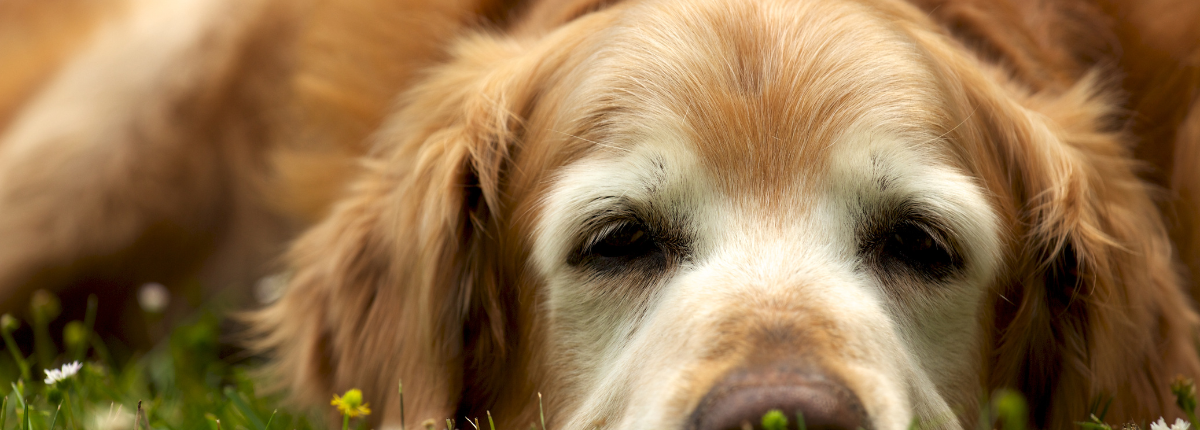
“Pain Trial” for Dogs: A Simple Way to Learn What’s Really Hurting
When a dog starts limping, slowing down on walks, or hesitating on stairs, it’s natural to ask: Where’s the pain coming from – and how bad is it? The catch is that dogs often hide pain at the vet clinic (new smells, slippery floors, nerves), so we may not see the full picture in a short visit.
A home pain trial gives us real-world clues about your dog’s day-to-day comfort so we can make a better plan, faster.
What is a pain trial?
A pain trial is a short, vet-guided period where your dog receives a targeted pain treatment (and sometimes activity tweaks) while you track daily changes in movement, mood, and sleep at home. Because you see your dog all day, small improvements show up sooner – and they’re easier to capture in a calm, familiar environment.
Why it matters:
- It helps confirm whether pain is part of the problem (many mobility issues are).
- It shows how much relief a dog gets from a specific therapy—useful for fine-tuning the plan.
- It can uncover issues we’d miss in a quick exam, because stress can mask or exaggerate pain in the clinic.
X-rays don’t equal pain (and pain doesn’t always show on X-rays)
X-rays are valuable for seeing bone and joint changes – but they don’t tell us how much it hurts. Many dogs have arthritis changes on X-ray with little or no pain yet, while others can be very sore with only mild changes. That’s exactly why a pain trial is so helpful: it measures what your dog feels, not just what we can see.
Quick context: about 40% of dogs under 4 already have X-ray signs of OA, but only around half of those show obvious pain – so waiting for a big limp often means we’re late.
When we recommend a pain trial
- Limping or stiffness that comes and goes
- Slow recovery from an injury or surgery
- Suspected arthritis, hip/elbow dysplasia, cruciate knee problems
- “Not themselves” at home – restless nights, panting at rest, mood changes (common pain flags)
How a pain trial works (simple, owner-friendly)
- Set the baseline
Film a short walking video (front / back / both sides + a sit→stand) on a non-slip surface. Note sleep, steps, stairs, and play. - Follow the plan
Your vet will choose a safe, appropriate pain therapy (and simple activity tweaks). You’ll keep normal routines otherwise – so changes are easy to spot. (We’ll also agree on what side effects to watch for.) - Track tiny changes daily
Use a short checklist: easier mornings, stairs, longer walks, brighter mood, fewer “ouch” moments; log yes/no plus notes. Quick is best. - Share your “week in a glance”
Send us your checklist, notes, and updated video. We’ll look at the whole story – improvements, side effects, and any new concerns – to decide the next step.
How we read the results
- Clear improvement: Pain is likely a key driver. We’ll keep the helpful pieces and build a multimodal plan (rehab exercises, home tweaks, weight support, comfort therapies; meds when needed) to lock in those gains.
- Partial improvement: Pain is part of the picture, but not the whole thing. We may adjust dose/timing, add rehab to rebuild strength and balance, or consider targeted options (e.g., joint injections, PRP, stem cell) if appropriate.
- No improvement or side effects: Time to re-check the diagnosis and consider other causes (nerve, spine, non-orthopedic). This is exactly why we trial – so we don’t waste time on a plan that isn’t helping.
Why a home trial often “tells the truth”
Dogs can be brave (or anxious) at the clinic. Fear may mask pain; anxiety may amplify it, making quick, one-off exams unreliable. A calm week at home shows how your dog truly copes with walks, stairs, sleep, and daily life – the things that matter most to comfort and quality of life.
What a pain trial is not
- Not a DIY diagnosis. Please don’t start or change pain meds without guidance.
- Not the only data point. We pair your trial with a hands-on exam and, if helpful, imaging to rule in/out other problems.
The bigger goal: fewer “bad days,” more good days
Long-term, our aim is simple: control pain and protect mobility so dogs stay active and happy through their years. That means rechecks to keep what’s working, catch side effects early, and adjust before small issues become big ones. Many families love mixing quick virtual check-ins with in-clinic visits.
Ready to try a pain trial?
We’ll set you up with an easy checklist and clear steps to follow at home. If you already have videos or vet notes, bring them – we’ll review everything together and decide the best starting point.
The Dog Mobility Clinic
📧 admin@innovete.com.au | 🌐thedogmobilityclinic.com.au
Helping your best friend move better – feel better – live better.
You may also be interested in ….
 https://www.drmalcolmware.com.au/wp-content/uploads/2025/09/DMC-Blog-Featured-Image-Graphic-1.png
628
1200
Gaby Ware
https://drmalcolmware.com.au/wp-content/uploads/2024/03/Dr-Malcolm-Ware-Logo.png
Gaby Ware2025-09-15 03:59:232025-12-28 07:10:12“Pain Trial” for Dogs: A Simple Way to Learn What’s Really Hurting
https://www.drmalcolmware.com.au/wp-content/uploads/2025/09/DMC-Blog-Featured-Image-Graphic-1.png
628
1200
Gaby Ware
https://drmalcolmware.com.au/wp-content/uploads/2024/03/Dr-Malcolm-Ware-Logo.png
Gaby Ware2025-09-15 03:59:232025-12-28 07:10:12“Pain Trial” for Dogs: A Simple Way to Learn What’s Really Hurting https://www.drmalcolmware.com.au/wp-content/uploads/2025/09/DMC-Blog-Featured-image.png
628
1200
Gaby Ware
https://drmalcolmware.com.au/wp-content/uploads/2024/03/Dr-Malcolm-Ware-Logo.png
Gaby Ware2025-09-09 04:07:022025-12-28 07:10:14Stronger Together: How Rehab Vets and Physios Work Alongside GP Vets
https://www.drmalcolmware.com.au/wp-content/uploads/2025/09/DMC-Blog-Featured-image.png
628
1200
Gaby Ware
https://drmalcolmware.com.au/wp-content/uploads/2024/03/Dr-Malcolm-Ware-Logo.png
Gaby Ware2025-09-09 04:07:022025-12-28 07:10:14Stronger Together: How Rehab Vets and Physios Work Alongside GP Vets https://www.drmalcolmware.com.au/wp-content/uploads/2025/02/Stem-Cell-Therapy-for-Dogs.jpg
667
1000
Gaby Ware
https://drmalcolmware.com.au/wp-content/uploads/2024/03/Dr-Malcolm-Ware-Logo.png
Gaby Ware2025-02-12 18:21:012025-12-28 07:10:16Stem Cell Therapy for Dogs: For Pain Relief and Mobility
https://www.drmalcolmware.com.au/wp-content/uploads/2025/02/Stem-Cell-Therapy-for-Dogs.jpg
667
1000
Gaby Ware
https://drmalcolmware.com.au/wp-content/uploads/2024/03/Dr-Malcolm-Ware-Logo.png
Gaby Ware2025-02-12 18:21:012025-12-28 07:10:16Stem Cell Therapy for Dogs: For Pain Relief and Mobility


