
What Is an Integrative and Rehabilitation Veterinarian – And How Are They Different from a Regular Vet?
If you’ve ever found yourself wondering, “What else can I do to help my dog move better or heal more fully?” – you’re not alone. More and more pet owners are discovering the benefits of working with an integrative and rehabilitation veterinarian.
But what exactly does that mean – and how does it differ from your regular GP vet?
First Things First: What Does a GP Vet Do?
Your general practice (GP) veterinarian is the frontline of your dog’s healthcare. They’re trained to:
- Diagnose and treat common illnesses and injuries
- Perform routine and advanced surgeries
- Administer vaccines and preventatives
- Manage acute conditions like infections, wounds, or emergencies
- Monitor your dog’s general wellness over time
Think of a GP vet like your family doctor: essential, experienced, and always your first stop when something’s not quite right.
But what if your dog has:
- Ongoing pain from arthritis or an old injury?
- Just came out of orthopedic surgery and needs rehab?
- Difficulty walking, jumping, or getting up?
- A chronic mobility condition like hip dysplasia or neurological dysfunction?
That’s where an integrative and rehabilitation vet comes in.
What Is an Integrative and Rehab Vet?
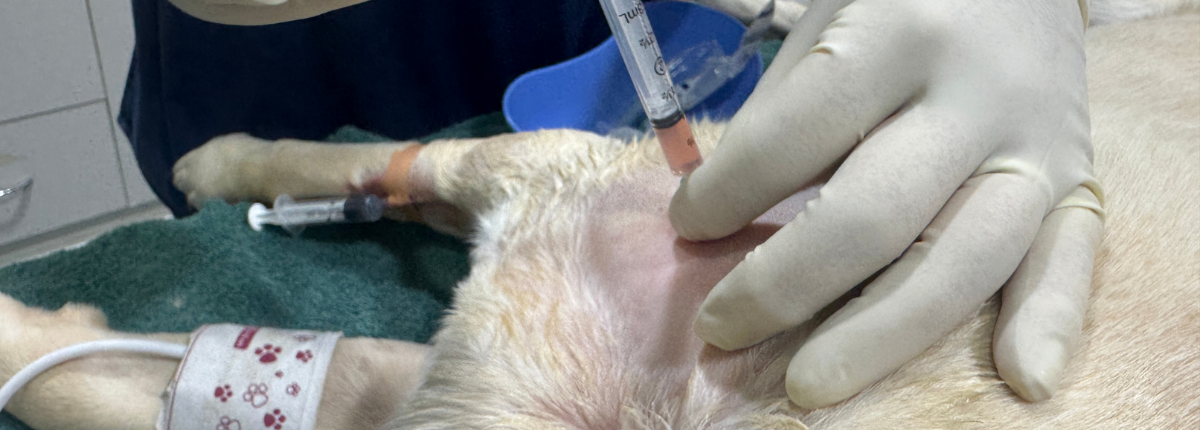
An integrative and rehabilitation veterinarian is a vet with advanced training in pain management, physical rehabilitation, and complementary therapies – used alongside conventional care to help dogs recover, move better, and enjoy life with less pain.
They don’t replace your GP vet – instead, they partner with them to create more targeted, longer-term solutions for complex or chronic conditions.
What Does “Integrative” Mean?
“Integrative” means they combine the best of traditional veterinary medicine with evidence-based complementary therapies.
That might include:
- Laser therapy to reduce inflammation and pain
- Acupuncture to support nerve function and relieve chronic discomfort
- Electromagnetic therapy (PEMF) for tissue healing
- Stem cell therapy or Platelet Rich Plasma (PRP) for joint regeneration
- Herbal or nutritional support as part of a broader pain or mobility plan
These therapies aren’t just “extras” – they’re powerful modalities that support healing and comfort in ways medication alone sometimes can’t.
What Does a Canine Rehabilitation Vet Do?
Rehab vets focus on helping dogs:
- Recover after injury or surgery
- Build strength and mobility in weak or painful limbs
- Avoid further damage due to chronic conditions
- Maintain or improve quality of life as they age
A full rehab plan is highly individualised and may include:
- Therapeutic exercise plans
- Hydrotherapy or underwater treadmill work
- Manual therapy (stretching, massage, passive movement)
- Strength and balance training
- Gait and posture re-education
- Home environment advice (non-slip mats, stairs, harnesses, etc.)
How Is This Different from What a GP Vet Provides?
While GP vets may diagnose conditions like arthritis or cruciate tears, they typically:
- Don’t have the time or resources to provide in-depth, ongoing rehab
- May offer standard medications, but not regenerative therapies or advanced modalities
- Often refer to specialists (like surgeons) but may not have a step-by-step post-op rehab plan
An integrative and rehab vet fills that gap.
They take the time to assess pain, posture, gait, muscle strength, and mobility—and work with you over weeks or months to create a custom plan that fits your dog’s diagnosis, home life, and personality.
When Should You See an Integrative or Rehab Vet?
- Here are just a few cases where this kind of support can make a big difference:
- Your dog is limping, stiff, or slowing down with age
- Your dog has had orthopaedic surgery and you want to support full recovery
- Your dog has arthritis, hip dysplasia, or spinal disease
- You want to explore non-surgical or regenerative options for joint disease
- You feel like “something’s off” – but X-rays or blood tests haven’t shown the full picture
- You want a proactive plan to prevent mobility loss in a senior dog
Your Dog Deserves More Than Just a Diagnosis
At The Dog Mobility Clinic, our integrative and rehab approach is all about:
- Seeing the whole dog, not just the injured part
- Treating pain and dysfunction at the source – not just masking it
- Helping dogs move better, feel better, and live fuller lives
- Empowering you with education and support every step of the way
Whether you’re managing a long-term condition or starting post-op recovery, we’re here to guide your dog toward better mobility and a better life.
Ready to Learn More?
If you think your dog might benefit from integrative or rehabilitation care, book a Mobility Assessment. No referral necessary.
Together, we can help your dog get back to what they love – whether that’s chasing a ball, climbing the couch, or just walking beside you.
You may also be interested in ….
 https://www.drmalcolmware.com.au/wp-content/uploads/2025/12/DMC-Blog-Featured-Image-Graphic-9.png
628
1200
Gaby Ware
https://drmalcolmware.com.au/wp-content/uploads/2024/03/Dr-Malcolm-Ware-Logo.png
Gaby Ware2025-12-07 00:27:382025-12-28 07:09:47Dog Arthritis Chronic Care: Why 15-Minute Vet Visits Aren’t Enough
https://www.drmalcolmware.com.au/wp-content/uploads/2025/12/DMC-Blog-Featured-Image-Graphic-9.png
628
1200
Gaby Ware
https://drmalcolmware.com.au/wp-content/uploads/2024/03/Dr-Malcolm-Ware-Logo.png
Gaby Ware2025-12-07 00:27:382025-12-28 07:09:47Dog Arthritis Chronic Care: Why 15-Minute Vet Visits Aren’t Enough https://www.drmalcolmware.com.au/wp-content/uploads/2025/12/DMC-Blog-Featured-Image-Graphic-1.png
628
1200
Gaby Ware
https://drmalcolmware.com.au/wp-content/uploads/2024/03/Dr-Malcolm-Ware-Logo.png
Gaby Ware2025-12-01 03:43:322025-12-28 07:09:50Dog Joint Problem Recovery Time: What to Expect
https://www.drmalcolmware.com.au/wp-content/uploads/2025/12/DMC-Blog-Featured-Image-Graphic-1.png
628
1200
Gaby Ware
https://drmalcolmware.com.au/wp-content/uploads/2024/03/Dr-Malcolm-Ware-Logo.png
Gaby Ware2025-12-01 03:43:322025-12-28 07:09:50Dog Joint Problem Recovery Time: What to Expect https://www.drmalcolmware.com.au/wp-content/uploads/2025/11/DMC-Blog-Featured-Image-Graphic-8.png
628
1200
Gaby Ware
https://drmalcolmware.com.au/wp-content/uploads/2024/03/Dr-Malcolm-Ware-Logo.png
Gaby Ware2025-11-13 05:04:252025-12-28 07:09:51How to Prevent Cruciate Injury in Your Dog’s Other Leg After Surgery
https://www.drmalcolmware.com.au/wp-content/uploads/2025/11/DMC-Blog-Featured-Image-Graphic-8.png
628
1200
Gaby Ware
https://drmalcolmware.com.au/wp-content/uploads/2024/03/Dr-Malcolm-Ware-Logo.png
Gaby Ware2025-11-13 05:04:252025-12-28 07:09:51How to Prevent Cruciate Injury in Your Dog’s Other Leg After Surgery


