
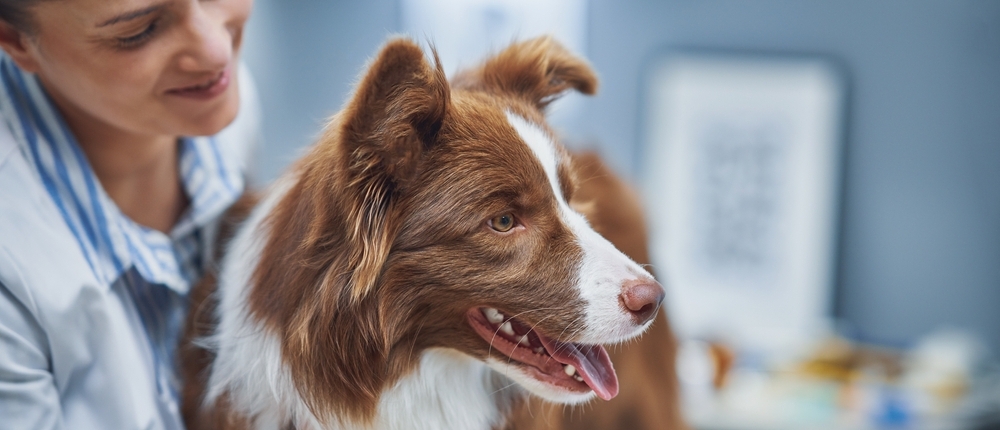
What Does a Rehab Vet Do? (And How We Help Your Pet Move Better)
Most families know their regular vet as the first stop for check-ups, vaccines, sore tummies and urgent worries. That care is essential.
A Rehabilitation Veterinarian steps in when the problem is movement or pain – limping, stiffness, trouble with stairs, slow recovery after surgery, or a pet who’s just “not moving like they used to.”
Think of us as the “functional” – movement + pain + coaching part of veterinary care. We look at how your pet moves, how they feel when they move, and how to get them moving well again – safely and sustainably.
What makes a Rehab Vet different?
Beyond the veterinary doctorate (DVM/BVSc), a rehab vet completes additional, formal training in:
- Canine & feline (and often equine) rehabilitation
- Musculoskeletal medicine & pain science
- Therapeutic exercise programming (strength, flexibility, balance, body awareness)
- Rehab technologies (e.g., Class IV laser, shockwave) and movement assessment
Many pursue board certification, certification programs, and hundreds of hours of hands-on coursework and case work, plus ongoing continuing education. In short: we’ve trained specifically to assess movement, relieve pain, and rebuild function – then coach you to keep those gains at home.
We don’t replace your GP vet – we partner with them. Your pet gets the best of both worlds.
What a Rehab Vet Actually Does (in plain English)
1) We diagnose first – then build the plan
We don’t guess. We examine every joint and key muscle groups with a full hands-on assessment, watch how your pet walks and sits → stands, and check posture, strength, and balance.
When needed, we use X-rays and musculoskeletal ultrasound (MSK ultrasound) to look closer, and we review any scans you already have. Our job is to work out what hurts, why it hurts, and what to do next.
2) We set clear, realistic goals together
Small wins add up: “get up from bed more easily,” “walk 20 minutes without soreness,” “climb the back steps safely,” “get back to gentle hikes.” Goals match your pet’s age, temperament, and diagnosis.
3) We build a multimodal treatment plan (because there’s no magic pill)
Mobility problems are complex. One medication won’t fix it all. We combine simple tools that work together:
- Rehab exercises (the engine of progress): gentle, targeted routines for strength, flexibility, body awareness, and balance, with clear reps, frequency, and progressions.
- Comfort therapies to make moving easier:
- Class IV laser for soothing comfort
- Shockwave for stubborn soft-tissue or joint pain (when appropriate)
These create a “comfort window” so exercise feels better – and the gains stick.
- Targeted options (case-by-case): joint injections, PRP, or Stem Cell therapy where appropriate – always alongside exercise and home care.
- Home tweaks: non-slip runners, ramps or blocking stairs, supportive low-entry beds, safer car set-ups, raised bowls if bending is sore.
- Activity coaching: how far, how fast, how often – so you avoid boom-and-bust flare-ups.
- Weight & diet support: small, steady changes reduce joint load and boost energy.
- Medication (with your GP vet): used when needed, as part of the plan – not the whole plan.
4) We teach and coach you (step by step)
You’ll leave with simple instructions – often with video links – plus weekly targets. Through our Online Community
We show you how to spot fatigue vs pain so you can adjust safely at home.
5) We check in and fine-tune
Short, regular rechecks (in-clinic or online) keep progress rolling, catch issues early, and adapt the plan as your pet improves.
What to Expect at Your First Rehab Visit
Your first appointment is a full rehabilitation assessment (musculoskeletal exam) and usually runs 60 – 75 minutes. We take our time so your pet stays calm and we don’t miss details.
During this visit we’ll:
- Talk through what you’re noticing and what matters most (walks, stairs, play, sleep)
- Watch your pet walk from the front, back and sides, plus sit → stand and gentle turns
- Check posture and alignment (how they stand and shift weight)
- Perform a gentle hands-on exam: feel for tight or sore areas, check comfortable joint motion, and do simple strength/balance tests suited to your pet
- Discuss/arrange diagnostics if helpful: review existing X-rays, consider new X-rays or MSK ultrasound to clarify what’s going on
- Map tender spots and set baselines so progress is easy to see
- Give you a clear, written multimodal plan you can start this week (exercises, home tweaks, comfort options, and pacing for walks/play)
Please bring: any vet records or imaging, a list of meds/supplements, and a short walking video filmed on a non-slip surface (front/back/both sides + a sit→stand).
Good to know:
- Most pets don’t need sedation; we use low-stress handling and plenty of breaks.
- Expect a rest afterwards – new movements can be “good tired.”
- Follow-ups are shorter and focus on progressions, fine-tuning, and questions.
Who We Help (common cases)
- Arthritis (all ages – not just seniors)
- Cruciate (knee) surgery recovery and protecting “the other leg”
- Hip & elbow dysplasia
- Back pain or neurological conditions (e.g., wobbly gait, post-spinal surgery)
- Tendon/ligament strains and sport injuries
- Senior dogs who need a kind, structured plan
- Cats with hidden mobility pain (they’re experts at hiding discomfort)
Quick FAQs
Is this just “physio for dogs”?
It’s broader. Rehab vets are veterinarians with a doctorate plus additional certification-level training in diagnosis (hands-on exam, X-rays, MSK ultrasound), pain relief, therapeutic exercise, and rehab technologies – and we coordinate closely with your GP vet and surgeon.
Do you use medications?
When needed – yes, and always with your GP vet. But meds alone rarely solve complex mobility problems. The biggest wins come from a multimodal plan.
Will my pet need therapy forever?
Usually not. You’ll learn a simple home routine you can maintain, with occasional tune-ups. Chronic conditions do best with ongoing, right-sized activity and periodic check-ins.
Do cats benefit from rehab?
Absolutely. Subtle changes – jumping less, avoiding stairs, grooming less – often signal pain. Gentle exercises, home tweaks, and comfort therapies help cats, too.
The Takeaway
A Rehabilitation Veterinarian (with additional training beyond the veterinary doctorate) diagnoses the cause of mobility pain – using exam, X-rays or MSK ultrasound as needed – and then helps pets move better, feel better, and stay active with a practical, multimodal plan.
We don’t just treat a sore joint – we support the whole pet and build a plan that fits your life.
Book or ask a question
📧 admin@innovete.com.au
Want ongoing support at home?
Consider joining our Online Dog Mobility Community for practical tips, Q&A with our rehab team, and gentle accountability between visits.
The Dog Mobility Clinic
Helping your best friend move better – feel better – live better
You may also be interested in ….
 https://www.drmalcolmware.com.au/wp-content/uploads/2025/12/DMC-Blog-Featured-Image-Graphic-9.png
628
1200
Gaby Ware
https://drmalcolmware.com.au/wp-content/uploads/2024/03/Dr-Malcolm-Ware-Logo.png
Gaby Ware2025-12-07 00:27:382025-12-28 07:09:47Dog Arthritis Chronic Care: Why 15-Minute Vet Visits Aren’t Enough
https://www.drmalcolmware.com.au/wp-content/uploads/2025/12/DMC-Blog-Featured-Image-Graphic-9.png
628
1200
Gaby Ware
https://drmalcolmware.com.au/wp-content/uploads/2024/03/Dr-Malcolm-Ware-Logo.png
Gaby Ware2025-12-07 00:27:382025-12-28 07:09:47Dog Arthritis Chronic Care: Why 15-Minute Vet Visits Aren’t Enough https://www.drmalcolmware.com.au/wp-content/uploads/2025/12/DMC-Blog-Featured-Image-Graphic-1.png
628
1200
Gaby Ware
https://drmalcolmware.com.au/wp-content/uploads/2024/03/Dr-Malcolm-Ware-Logo.png
Gaby Ware2025-12-01 03:43:322025-12-28 07:09:50Dog Joint Problem Recovery Time: What to Expect
https://www.drmalcolmware.com.au/wp-content/uploads/2025/12/DMC-Blog-Featured-Image-Graphic-1.png
628
1200
Gaby Ware
https://drmalcolmware.com.au/wp-content/uploads/2024/03/Dr-Malcolm-Ware-Logo.png
Gaby Ware2025-12-01 03:43:322025-12-28 07:09:50Dog Joint Problem Recovery Time: What to Expect https://www.drmalcolmware.com.au/wp-content/uploads/2025/11/DMC-Blog-Featured-Image-Graphic-8.png
628
1200
Gaby Ware
https://drmalcolmware.com.au/wp-content/uploads/2024/03/Dr-Malcolm-Ware-Logo.png
Gaby Ware2025-11-13 05:04:252025-12-28 07:09:51How to Prevent Cruciate Injury in Your Dog’s Other Leg After Surgery
https://www.drmalcolmware.com.au/wp-content/uploads/2025/11/DMC-Blog-Featured-Image-Graphic-8.png
628
1200
Gaby Ware
https://drmalcolmware.com.au/wp-content/uploads/2024/03/Dr-Malcolm-Ware-Logo.png
Gaby Ware2025-11-13 05:04:252025-12-28 07:09:51How to Prevent Cruciate Injury in Your Dog’s Other Leg After Surgery


