
Will My Dog Still Be Able to Enjoy Life with Arthritis?
Helping your dog stay mobile, happy, and connected – despite a chronic condition.
Arthritis is one of the most common causes of pain and mobility loss in dogs, especially as they age. If you’ve recently been told that your dog has osteoarthritis (OA), you’re probably asking the question no one says out loud:
“Will my dog still be able to enjoy life?”
The short answer? Yes – with the right support, care, and pain management, your dog can absolutely still find joy, comfort, and connection in everyday life.
But arthritis does mean some changes need to be made.. So let’s explore what that looks like – and how you can help them thrive.
First, What Is Canine Osteoarthritis?
Osteoarthritis is a progressive joint disease that causes inflammation, pain, and reduced mobility. It most commonly affects the hips, knees, elbows, and spine – but it can develop in any joint.
Dogs with arthritis may:
- Struggle to get up from lying down
- Move more slowly or stiffly
- Avoid jumping or stairs
- Tire quickly on walks
- Show changes in mood, appetite, or interest
Importantly, dogs rarely cry out in pain. Instead, they show it through subtle changes in movement and behaviour. That’s why arthritis is often underdiagnosed – or mistaken for “just getting older.”
The Emotional Weight: “It Breaks My Heart to See Him Limping”
Many dog owners describe the emotional toll of watching their pet slow down.
There’s sadness, fear, even guilt: “Did I miss the signs?” or “Is this my fault?”
At The Dog Mobility Clinic, we want you to know:
- You are not alone.
- This condition is manageable.
- There are real, evidence-based steps you can take.
What an “Enjoyable Life” Looks Like with Arthritis
When we talk about quality of life with arthritis, we focus on three key pillars:
1. Mobility: Can they move comfortably?
With proper rehab, medication, and home modifications, dogs can regain confidence in their movement – even if they can’t run like they used to.
2. Connection: Do they still interact, play, and express joy?
Dogs thrive on connection. They may not fetch like before, but a walk and sniff, a cuddle on the couch, or time in the garden can bring joy.
3. Comfort: Is their pain well-managed?
Pain relief is essential. When pain is controlled, dogs rest better, move better, and experience far less stress.
How to Help Your Dog Enjoy Life Again
Here’s how we help our patients – and how you can start helping at home:
1. Pain Management Is Priority One
We use a multimodal approach, which may include:
- NSAIDs (non-steroidal anti-inflammatory drugs)
- Laser therapy
- PRP or stem cell therapy
- Joint injections
Our goal is to get pain under control first – so your dog feels more comfortable participating in daily life.
2. Tailored Rehab & Movement Therapy
Controlled, gentle movement builds strength and protects joints. This may include:
- Guided therapeutic exercises
- Balance and proprioception training
- Massage and passive range-of-motion techniques
Even a short, supervised walk can become part of a structured plan to improve stability and reduce stiffness.
3. Home Environment Adjustments
The home can be full of hidden hazards. Small changes go a long way in making their home environment safer and easier to navigate.
- Use non-slip mats over tiles or timber floors
- Add stairs or ramps for beds or cars
- Keep everything on one level if possible
- Provide a low, firm bed that’s easy to get in and out of
- Raise food and water bowls to elbow height
4. Adjust Activities, Not Joy
Arthritic dogs still want to play – they just need different rules:
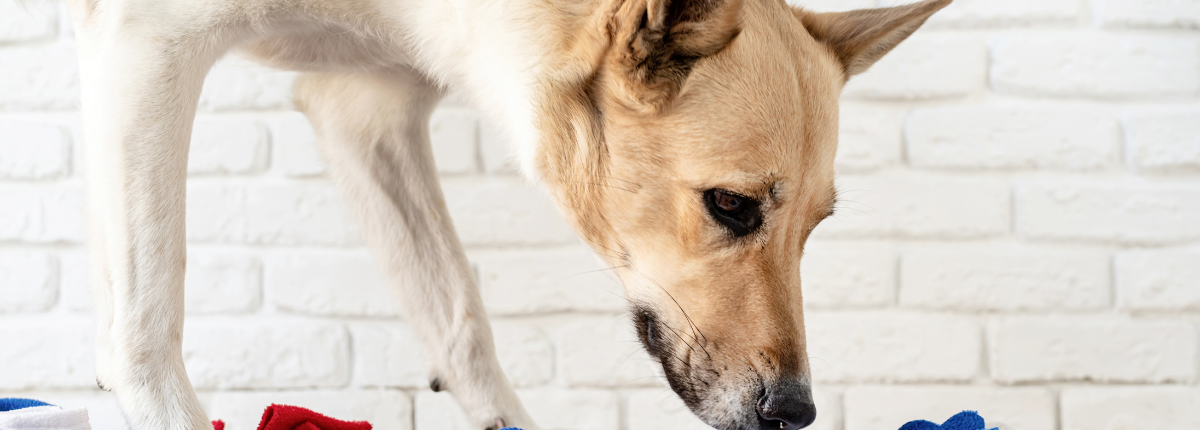
- Switch from ball-throwing to gentle tug or puzzle games
- Go for slow sniff-walks, not hikes or park runs
- Let them lie in the sun, chew a toy, or enjoy your company
The joy comes not from what they do, but that they do it with you.
Success Stories: A Glimpse of What’s Possible
We’ve seen dogs who could barely stand go on to:
- Walk around the block again
- Get up to greet their owner at the door
- Regain the strength to climb onto their favourite couch
- Smile, play, and explore again – at their own pace
Every dog is different. But with the right plan, every dog can improve.
You’re Not Alone – We’re Here to Help
Whether you’ve just received a diagnosis or you’ve been managing arthritis for a while, it’s never too late to start a supportive plan. Your dog can still enjoy life. They just need the right team – and that starts with you.
At The Dog Mobility Clinic, we combine advanced veterinary care with integrative rehabilitation therapies to improve comfort, confidence, and quality of life. We also support you, the caregiver, every step of the way.
Want support while you manage arthritis at home?
Join our online Dog Mobility Community for calm, practical guidance from our rehab team – weekly tips, Q&A, and gentle accountability between visits.
Book a mobility screen (in-clinic or online), or join the community to start getting support today.
The Dog Mobility Clinic
Helping your best friend move better – feel better – live better.
You may also be interested in ….
 https://www.drmalcolmware.com.au/wp-content/uploads/2024/03/Canine-Hydrotherapy-2.jpg
401
602
Ivana Katz
https://drmalcolmware.com.au/wp-content/uploads/2024/03/Dr-Malcolm-Ware-Logo.png
Ivana Katz2024-03-27 01:36:582024-03-28 01:25:15Canine Rehabilitation. Not just Hydrotherapy
https://www.drmalcolmware.com.au/wp-content/uploads/2024/03/Canine-Hydrotherapy-2.jpg
401
602
Ivana Katz
https://drmalcolmware.com.au/wp-content/uploads/2024/03/Dr-Malcolm-Ware-Logo.png
Ivana Katz2024-03-27 01:36:582024-03-28 01:25:15Canine Rehabilitation. Not just Hydrotherapy


