
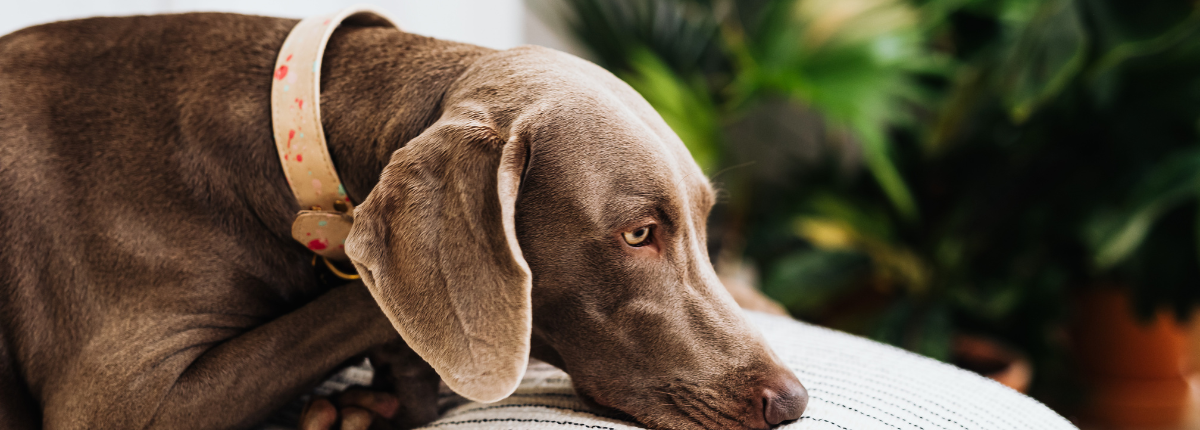
How Long Does It Take for a Dog With Arthritis to Get Better?
If your dog has arthritis, hip dysplasia, cruciate disease, or another joint problem, you’ve probably wondered: “We’ve started treatment… so why isn’t my dog better yet?”
You’re not alone, and you’re not doing anything wrong.
Healing can absolutely happen – but it’s almost never instant, and it’s rarely a straight line. Here’s what’s really happening and how to tell if you’re moving in the right direction.
Chronic Problems Take Time to Heal
Most musculoskeletal issues are years in the making. By the time your dog is limping or refusing stairs, there have usually been months or years of ongoing inflammation, joint wear, muscle loss, and movement changes.
When we start treatment – medication, rehab, laser therapy, PRP, stem cells – we’re not flicking off a pain switch. We’re asking your dog’s body to reverse or stabilise a long-running process. That takes time and patience from both of you.
What Integrative Therapies Actually Do
At The Dog Mobility Clinic, we use therapies like laser therapy, PRP, and stem cell treatment. These work at a cellular level – reducing inflammation, improving blood flow, and stimulating repair in damaged cartilage, tendons and ligaments.
This is powerful medicine, but it’s not like a pain tablet that works in 30 minutes. Instead, you’ll typically see subtle early changes (getting up more easily, brighter mood) in the first few weeks, then more obvious improvements over weeks to months, especially when combined with rehab and home modifications.
If a condition has been chronic, expecting dramatic changes after one or two sessions sets everyone up for disappointment.
Healing Isn’t a Straight Line
One of the hardest parts is the up-and-down pattern of recovery. You might see a few really good days, then a bad day after a long walk or excited play, then gradual improvement again.
This doesn’t mean therapy isn’t working. Small setbacks – slips, rough play, stairs, jumping in cars – can temporarily flare up pain and undo some progress. Think of it like rehabbing a sprained ankle: one awkward step can set you back a few days.
The key question: are the good days gradually outnumbering the bad ones? If yes, you’re heading in the right direction.
Home Life Makes or Breaks Progress
Here’s what many owners don’t realize: your dog spends far more time at home than in our clinic. What happens in your house is where most healing (or re-injury) actually happens.
Things that slow progress:
- Slippery floors with no mats
- Daily stair use
- Jumping on/off furniture or into cars
- Long, fast walks instead of shorter, controlled ones
- High-impact games like ball throwing
- Unaddressed excess weight
Things that help:
- Non-slip runners in key areas
- Ramps or pet steps
- Shorter, gentle walks done more frequently
- Low-impact enrichment like snuffle mats
- Weight loss (even 1-2kg makes a difference)
- Consistent home exercises
These changes aren’t glamorous, but they’re incredibly powerful – sometimes more than any clinic therapy.
Pain Control Enables Healing
Some owners worry that pain medication “masks” the problem. In chronic disease, the opposite is true.
Poorly controlled pain leads to less movement, more muscle loss, increased stiffness, and greater sensitivity. When pain is better controlled, dogs move more normally, build strength, and respond better to rehab. Pain relief enables healing – it doesn’t hide it.
How to Know If Things Are Working
Instead of one big change, watch for small, consistent improvements over time:
- Getting up with less struggle
- Managing walks without sitting down
- Less hesitation on safe surfaces
- More interest in family activities
- Brighter mood, more relaxed sleep
- Fewer recovery days after activity
Keep a simple pain diary or weekly video of your dog walking. When you compare week 1 to week 8, you’ll often be surprised by the progress.
When to Worry
Contact your vet or rehab team promptly if you notice:
- Sudden severe lameness
- Marked increase in pain or distress
- Significant swelling, heat, or neurological signs
- Steady decline over weeks with no good days
Sometimes we need to adjust the plan. That’s not failure – that’s responsive care.
You’re Not Failing
If you’re feeling discouraged, please know: slow progress is still progress. Setbacks are common and manageable. You are your dog’s greatest asset – not the laser or injection, but you, showing up day after day.
At The Dog Mobility Clinic, we guide you with thorough assessments, individualised plans, practical home advice, and ongoing support through our Rehab Community.
Ready for Clarity?
Book a Pain & Mobility Assessment with The Dog Mobility Clinic, or join our Rehab Community for ongoing support and practical tips.
Because your dog’s healing is possible. It just needs the right plan, the right environment, and a little time.
And you don’t have to figure it all out alone. 🐾
You may also be interested in ….
 https://www.drmalcolmware.com.au/wp-content/uploads/2025/10/DMC-Blog-Featured-Image-Graphic.png
628
1200
Gaby Ware
https://drmalcolmware.com.au/wp-content/uploads/2024/03/Dr-Malcolm-Ware-Logo.png
Gaby Ware2025-10-05 05:46:462025-12-28 07:10:03Dog Arthritis: It’s More Common (and develops earlier) Than You Think
https://www.drmalcolmware.com.au/wp-content/uploads/2025/10/DMC-Blog-Featured-Image-Graphic.png
628
1200
Gaby Ware
https://drmalcolmware.com.au/wp-content/uploads/2024/03/Dr-Malcolm-Ware-Logo.png
Gaby Ware2025-10-05 05:46:462025-12-28 07:10:03Dog Arthritis: It’s More Common (and develops earlier) Than You Think https://www.drmalcolmware.com.au/wp-content/uploads/2025/10/shutterstock_2130334958.jpg
667
1000
Gaby Ware
https://drmalcolmware.com.au/wp-content/uploads/2024/03/Dr-Malcolm-Ware-Logo.png
Gaby Ware2025-10-03 09:15:442025-12-28 07:10:04What Does a Rehab Vet Do? (And How We Help Your Pet Move Better)
https://www.drmalcolmware.com.au/wp-content/uploads/2025/10/shutterstock_2130334958.jpg
667
1000
Gaby Ware
https://drmalcolmware.com.au/wp-content/uploads/2024/03/Dr-Malcolm-Ware-Logo.png
Gaby Ware2025-10-03 09:15:442025-12-28 07:10:04What Does a Rehab Vet Do? (And How We Help Your Pet Move Better) https://www.drmalcolmware.com.au/wp-content/uploads/2025/09/shutterstock_2137602687-1.jpg
667
1000
Gaby Ware
https://drmalcolmware.com.au/wp-content/uploads/2024/03/Dr-Malcolm-Ware-Logo.png
Gaby Ware2025-09-30 02:14:092025-12-28 07:10:06My Dog Is Already on Meds – Can Therapies Still Help?
https://www.drmalcolmware.com.au/wp-content/uploads/2025/09/shutterstock_2137602687-1.jpg
667
1000
Gaby Ware
https://drmalcolmware.com.au/wp-content/uploads/2024/03/Dr-Malcolm-Ware-Logo.png
Gaby Ware2025-09-30 02:14:092025-12-28 07:10:06My Dog Is Already on Meds – Can Therapies Still Help?


