

Vets: 5 Reasons that may be stopping you from referring patients for Physical Therapy and Rehabilitation
One of the biggest challenges Rehab Therapists face is helping veterinarians and other pet care professionals understand exactly what they do and how they can help their patients.
This was understandable when I first became Certified in Canine Rehabilitation in 2011 as it was a completely new field of Veterinary Science. However fast forward to 2024 it seems not a whole lot has changed.
Yes Canine Rehabilitation and Physical therapy has gained some recognition among the Veterinary Community and the number of rehab centres and mobile therapists is growing rapidly however there still seems to be a significant disconnect between the two professions.
Now I haven’t conducted any real surveys but what I do have is over 11 years experience in providing rehab services for our patients and obtaining feedback from both the clients and some of the referring vets over that time.
What I and my previous team found to be some of the factors contributing to the low volume of rehab referrals from vets are as follows.
1: Lack of understanding what rehab therapists (veterinary physiotherapists) do and what conditions they can treat
I completely understand that you can’t refer to someone when you don’t know what value they can provide for that patient.
The knowledge gap here is twofold. Firstly understanding how the different rehab therapies work and secondly – what specific cases that you treat can benefit from those therapies.
In order to bridge that gap and for the two professions to come together for mutual benefits of their clients and pets – I believe the effort needs to come from both sides.
Vets should be open to learning more about Rehabilitation and the different therapies that are available.
And Rehab therapists need to find out from vets what cases they find most challenging that they feel they can’t help any further using their resources – then show them how you can help with these specific cases.
From my personal experience as a veterinarian (before training in Canine Rehabilitation) I found that some of the common challenging conditions include:
- Neurological conditions – spinal issues / IVDD
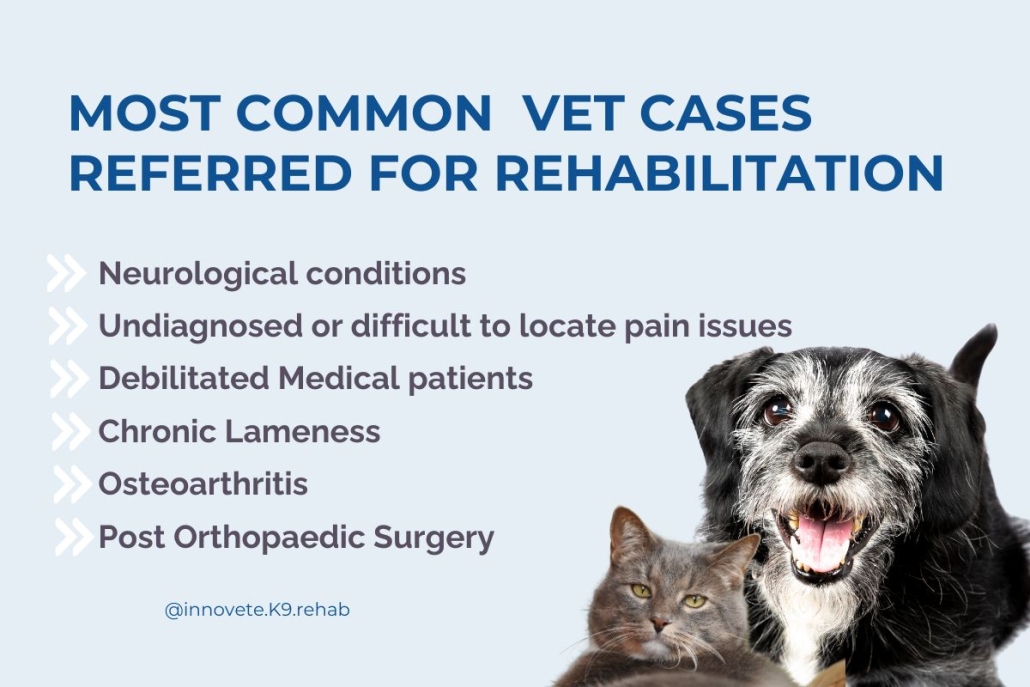
- Undiagnosed or difficult to locate pain issues
- Debilitated medical patients e.g. kidney disease and losing muscle mass
- Chronic lameness and other musculoskeletal issues such as arthritis / cruciate disease / hip dysplasia and of course
- Post orthopaedic surgery recovery and restoring full function and mobility – e.g. Fracture repairs, cruciate surgery
2: Perception of Costs of Rehab Therapy
What I hear from some clients is that their vets think Rehab is expensive and a waste of their money.
Again that’s coming from a lack of understanding of both costs and value.
Having run both a veterinary practice as well as a rehab centre in the past I am fully aware of the costs on both sides.
I can confidently say that client costs for the amount of time spent with patients providing therapies is far lower in a rehab setting than in general practice.
And far far lower than specialist services.
Clearly I can’t speak to what other rehab therapists charge for consultations or the various therapies they provide nowadays but from current feedback and research this still seems to be the dominant position.
The main reason why costs per visit is lower is that any rehab program requires multiple visits. These can range from twice weekly to monthly visits and anything in between until the patient is restored to optimal health and mobility.
Finally – it all comes down to what the client values most and what they’re prepared to pay for having their dog have the best chance of living a full and active life.
3: Travel Commitments
For some vets it’s understandably hard to refer a pet for therapy when there’s no such service available within their area.
However – I know for a fact that dedicated clients who want the best outcomes for their pet will travel.
Long distances too.
In my former practice we had clients travelling from all over the state and even interstate for regular therapy. So please don’t let that stop you from recommending rehabilitation therapy for this reason.
4: Fear of losing your clients
Again this comes back to lack of understanding around rehab and what therapists actually do, where they can help and what they can’t do.
Therapists don’t take your patients or clients from you. They treat a specific condition which could require anything from short term to lifelong regular treatment using their skills and equipment but that’s all.
They don’t diagnose or treat medical issues, perform surgery or dispense medications unless they are a veterinarian as well. Even if they are a vet they likely chose to move into this field and no longer provide GP services. For all other issues that client comes back to you.
The problem is when you don’t refer cases that could really benefit from rehab, that client might possibly do their own research and take their dog for therapy without your recommendation.
In fact – this is the most common way our rehab clients came to us both past and present. People googled and found us. Or asked friends and family for a recommendation.
And when this happens they’re not very happy that their vet didn’t tell them about this option.
In the human world Human Doctors refer to specialists and therapists all the time and clients accept that. That doesn’t mean they leave their Doctor.
Please don’t fall into this trap and let fear drive your decisions. Instead be rewarded by gratitude and increased loyalty from your clients because you acted in their pet’s best interest.
5: Trust
This can be a tricky one. We need to be reassured we’re referring to the right person who we know is suitably qualified and experienced to provide the level of care you want for your patient.
Because we don’t want any negative experiences falling back on us!
My advice here is to be thorough in your research as this is an unregulated field.
Ideally you want people that reflect and align with your own values and be open to working together as a team. They should be able to provide a range of modalities which is required in order to offer a complete rehabilitation program.
Modalities rehab professionals use include:
- Therapeutic Exercises
- Laser Therapy
- Hydrotherapy
- Acupuncture
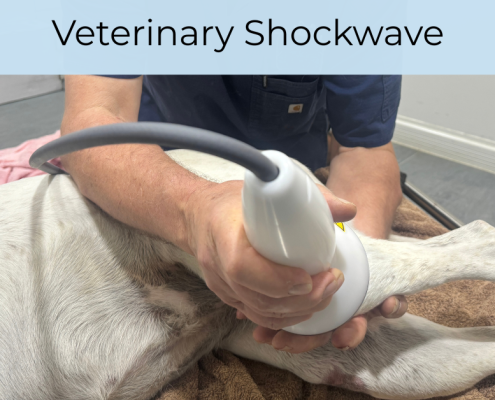
- Shockwave treatments
- Therapeutic Ultrasound
Your responsibility as a vet is to find these people and build relationships with them. Have them show you what they offer and the types of cases you see that can benefit from their services.
Interview them as you do with anyone you plan to hire. Because if you’re going to end up working with them then you need to be able to communicate openly and freely with them as well as trust their advice and judgement.
Final thoughts:
Collaboration between veterinarians and rehab therapists is vital in providing comprehensive and compassionate care for pets.
Overcoming barriers to referring patients for physical therapy and rehab leads to better outcomes for patients.
I encourage all vets to embrace referrals for physical therapy and rehabilitation as a pathway to improving patient outcomes and strengthening client relationships.
With an open mind and willingness to collaborate, we can provide exceptional care and change pets’ lives.
You may also be interested in ….
 https://www.drmalcolmware.com.au/wp-content/uploads/2025/10/DMC-Blog-Featured-Image-Graphic-7.png
628
1200
Gaby Ware
https://drmalcolmware.com.au/wp-content/uploads/2024/03/Dr-Malcolm-Ware-Logo.png
Gaby Ware2025-10-27 02:12:562025-12-28 07:09:53Shock Wave Therapy for Dogs: How It Helps Arthritis, Injuries, and Slow Recovery
https://www.drmalcolmware.com.au/wp-content/uploads/2025/10/DMC-Blog-Featured-Image-Graphic-7.png
628
1200
Gaby Ware
https://drmalcolmware.com.au/wp-content/uploads/2024/03/Dr-Malcolm-Ware-Logo.png
Gaby Ware2025-10-27 02:12:562025-12-28 07:09:53Shock Wave Therapy for Dogs: How It Helps Arthritis, Injuries, and Slow Recovery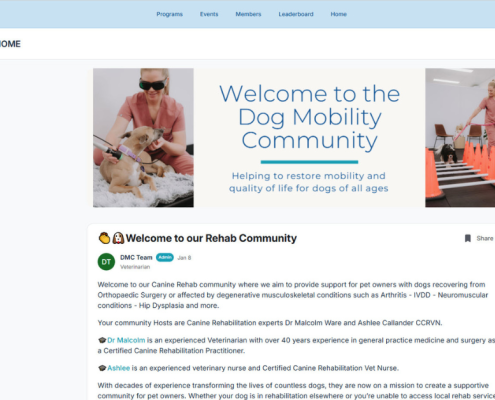 https://www.drmalcolmware.com.au/wp-content/uploads/2025/10/DMC-Blog-Featured-Image-Graphic-6.png
628
1200
Gaby Ware
https://drmalcolmware.com.au/wp-content/uploads/2024/03/Dr-Malcolm-Ware-Logo.png
Gaby Ware2025-10-26 04:19:142025-12-28 07:09:55What Can I Do at Home to Help My Dog Recover from Surgery or Arthritis?
https://www.drmalcolmware.com.au/wp-content/uploads/2025/10/DMC-Blog-Featured-Image-Graphic-6.png
628
1200
Gaby Ware
https://drmalcolmware.com.au/wp-content/uploads/2024/03/Dr-Malcolm-Ware-Logo.png
Gaby Ware2025-10-26 04:19:142025-12-28 07:09:55What Can I Do at Home to Help My Dog Recover from Surgery or Arthritis? https://www.drmalcolmware.com.au/wp-content/uploads/2025/10/DMC-Blog-Featured-Image-Graphic-5.png
628
1200
Gaby Ware
https://drmalcolmware.com.au/wp-content/uploads/2024/03/Dr-Malcolm-Ware-Logo.png
Gaby Ware2025-10-24 06:07:462025-12-28 07:09:56Are you confused about all the Pet Health Care Advice Online?
https://www.drmalcolmware.com.au/wp-content/uploads/2025/10/DMC-Blog-Featured-Image-Graphic-5.png
628
1200
Gaby Ware
https://drmalcolmware.com.au/wp-content/uploads/2024/03/Dr-Malcolm-Ware-Logo.png
Gaby Ware2025-10-24 06:07:462025-12-28 07:09:56Are you confused about all the Pet Health Care Advice Online?


