
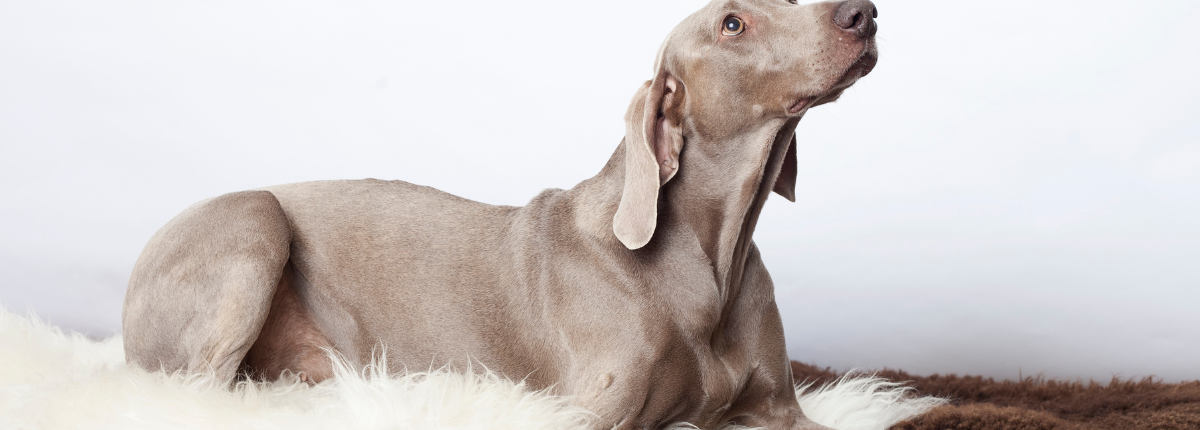
Medial Shoulder Instability in Dogs: What It Is, What to Watch For, and How to Help
If your dog has been limping or showing signs of shoulder discomfort, you may have heard your vet mention “medial shoulder instability,” or MSI. But what exactly does that mean – and what should you do next?
This blog post explains what MSI is, how to spot it early, and what treatment and recovery can look like – especially when rehab is part of the plan.
What Is Medial Shoulder Instability (MSI) in Dogs?
MSI is a condition where the ligaments, tendons, and other stabilizing structures on the inside (medial side) of the shoulder joint become stretched, weakened, or torn. This causes the joint to move more than it should – resulting in pain, inflammation, and sometimes long-term damage if left untreated.
Unlike a broken bone or sudden injury, MSI is often a repetitive-use injury, especially in:
- Active or working dogs
- Large breed dogs
- Dogs involved in agility, flyball, or fetch games with lots of turning/jumping
- Dogs slipping on wooden floors or tiles
Common Signs of MSI to Watch For
MSI can be tricky to detect early because the symptoms are often subtle. You might notice:
- Intermittent front-leg lameness (especially after exercise)
- Reluctance to jump, turn, or go up stairs
- Stiffness or short front stride
- Muscle loss around the shoulder
- Pain when touching or extending the shoulder
If your dog is limping and rest doesn’t help – or if they keep getting re-injured after activity – MSI might be the cause.
How Is MSI Diagnosed?
Your vet may use a combination of:
- Orthopaedic exam (checking joint movement and ligament stability)
- Imaging (ultrasound, MRI, or arthroscopy if needed) Musculoskeletal Ultrasound and Radiographs are the most accurate
- Observation of your dog’s gait, movement, and muscle symmetry
Because the signs are so subtle, MSI is often underdiagnosed or mistaken for general soreness or arthritis. Early diagnosis is key to better outcomes.
Treatment Options: Conservative vs. Surgical
The best treatment plan depends on how severe the instability is.
Conservative (Non-Surgical) Management:
-
- Ideal for mild to moderate MSI, or for dogs that are not good surgical candidates.
- May include:
- Pain relief (anti-inflammatories, laser therapy, acupuncture)
Structured rehabilitation program
- Supportive braces
- Controlled activity with a gradual return to function
- Environmental changes (non-slip mats, ramps, etc.)
- Integrative Therapies (Shockwave, PRP and possibly Stem Cell Therapy produce good results)
Surgical Options:
Recommended for moderate to severe MSI or if conservative care doesn’t help.
Surgery options vary, but may include:
- Tightening or replacing damaged ligaments
- Joint stabilization techniques
- Arthroscopic repair
Surgery is usually followed by a rehabilitation program for optimal healing.
FAQs About MSI in Dogs
How did my dog get this?
Most dogs develop MSI over time due to repetitive strain or poor shoulder conformation. It’s especially common in active or large dogs.
Is this a permanent condition?
If caught early, MSI can be well-managed – and in many cases, dogs regain good function. Severe cases may develop chronic joint changes like arthritis if left untreated.
Will my dog need surgery?
Not always. Many dogs with mild to moderate MSI respond well to rehab and activity changes. Your vet or rehab therapist can help guide that decision.
MSI is graded depending on severity
Grade 1 (Mild) inflammation only
Grade 2 (Low) Fibre tearing
Grade 3 (Severe) Full rupture – requires surgery
We have a high success rate of healing all Grades 1 and 2 with integrative therapies
What does rehab involve?
Rehab may include:
- Targeted exercises
- Strength and proprioception work
- Manual therapy
- Hydrotherapy
- At-home adjustments to reduce strain
Can my dog go back to agility/sport?
It depends. Some dogs return to full activity; others need permanent modifications. The earlier it’s treated, the better the chance of a safe return to sport.
How long does recovery take?
Recovery varies – usually 8 to 16 weeks with rehab, longer if surgery is involved. Commitment to the full plan is key to success.
What happens if we don’t treat it?
MSI can lead to chronic pain, cartilage wear, and arthritis. It may also increase injury risk in the opposite leg due to compensation.
What can I do at home to help?
- Avoid jumping, stairs, and rough play during recovery
- Use non-slip surfaces
- Follow all rehab instructions
- Use supportive harnesses or braces if recommended
Your Dog Can Still Thrive
Medial shoulder instability can be a frustrating diagnosis, but it’s manageable – with the right care, a plan, and your partnership. Whether your dog is a family companion or an athletic superstar, there are many ways to reduce pain, restore function, and get them moving again.
At The Dog Mobility Clinic, we combine advanced diagnostics with integrative rehab therapies to guide dogs through MSI recovery – one step at a time.
Need Support?
If your dog is showing signs of lameness or has been diagnosed with MSI, we’re here to help.
Book a consultation to explore your treatment options and get a clear, customised recovery plan.
You may also be interested in ….
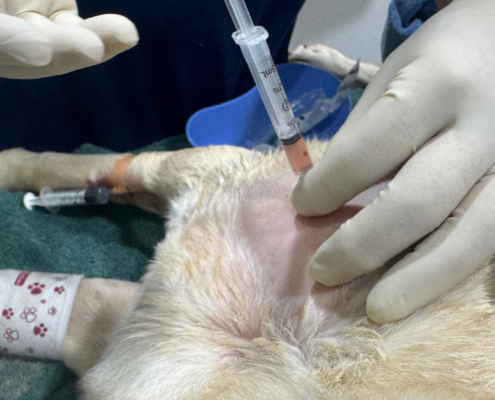 https://www.drmalcolmware.com.au/wp-content/uploads/2025/10/DMC-Blog-Featured-Image-Graphic-4.png
628
1200
Gaby Ware
https://drmalcolmware.com.au/wp-content/uploads/2024/03/Dr-Malcolm-Ware-Logo.png
Gaby Ware2025-10-20 06:30:472025-12-28 07:09:58Does Your Dog Need a Rehab Vet? Here’s How to Tell”
https://www.drmalcolmware.com.au/wp-content/uploads/2025/10/DMC-Blog-Featured-Image-Graphic-4.png
628
1200
Gaby Ware
https://drmalcolmware.com.au/wp-content/uploads/2024/03/Dr-Malcolm-Ware-Logo.png
Gaby Ware2025-10-20 06:30:472025-12-28 07:09:58Does Your Dog Need a Rehab Vet? Here’s How to Tell” https://www.drmalcolmware.com.au/wp-content/uploads/2025/10/DMC-Blog-Featured-Image-Graphic-3.png
628
1200
Gaby Ware
https://drmalcolmware.com.au/wp-content/uploads/2024/03/Dr-Malcolm-Ware-Logo.png
Gaby Ware2025-10-15 05:57:472025-12-28 07:09:59Medial Shoulder Instability in Dogs: What It Is, What to Watch For, and How to Help
https://www.drmalcolmware.com.au/wp-content/uploads/2025/10/DMC-Blog-Featured-Image-Graphic-3.png
628
1200
Gaby Ware
https://drmalcolmware.com.au/wp-content/uploads/2024/03/Dr-Malcolm-Ware-Logo.png
Gaby Ware2025-10-15 05:57:472025-12-28 07:09:59Medial Shoulder Instability in Dogs: What It Is, What to Watch For, and How to Help https://www.drmalcolmware.com.au/wp-content/uploads/2025/10/DMC-Blog-Featured-Image-Graphic-2.png
628
1200
Gaby Ware
https://drmalcolmware.com.au/wp-content/uploads/2024/03/Dr-Malcolm-Ware-Logo.png
Gaby Ware2025-10-10 23:55:162025-12-28 07:10:01Will My Dog Still Be Able to Enjoy Life with Arthritis?
https://www.drmalcolmware.com.au/wp-content/uploads/2025/10/DMC-Blog-Featured-Image-Graphic-2.png
628
1200
Gaby Ware
https://drmalcolmware.com.au/wp-content/uploads/2024/03/Dr-Malcolm-Ware-Logo.png
Gaby Ware2025-10-10 23:55:162025-12-28 07:10:01Will My Dog Still Be Able to Enjoy Life with Arthritis?


